
When a building can’t afford to lose power, even for a few minutes, reliability has to be built with the same precision as anything else on the site. Stocker Associates provides mission critical construction: backup power and the infrastructure that keeps a facility running when the grid doesn’t.
Our work centers on a handful of core systems:
That handoff is often the hardest part to get right in an occupied building, since the cutover has to happen without an outage.
We don’t build data centers. What we build is the backup infrastructure inside other kinds of facilities:
If a generator needs to carry the whole building, occupied or not, that’s within scope. If the project is a ground-up data center, that’s a different kind of build than what we offer.
Your engineer and your own operational requirements usually settle which strategy fits. Some tenants have industry standards or internal policy that decides it before we’re ever brought in. Others are weighing the choice for the first time. We can walk through what each approach means for cost and risk before you commit to one.
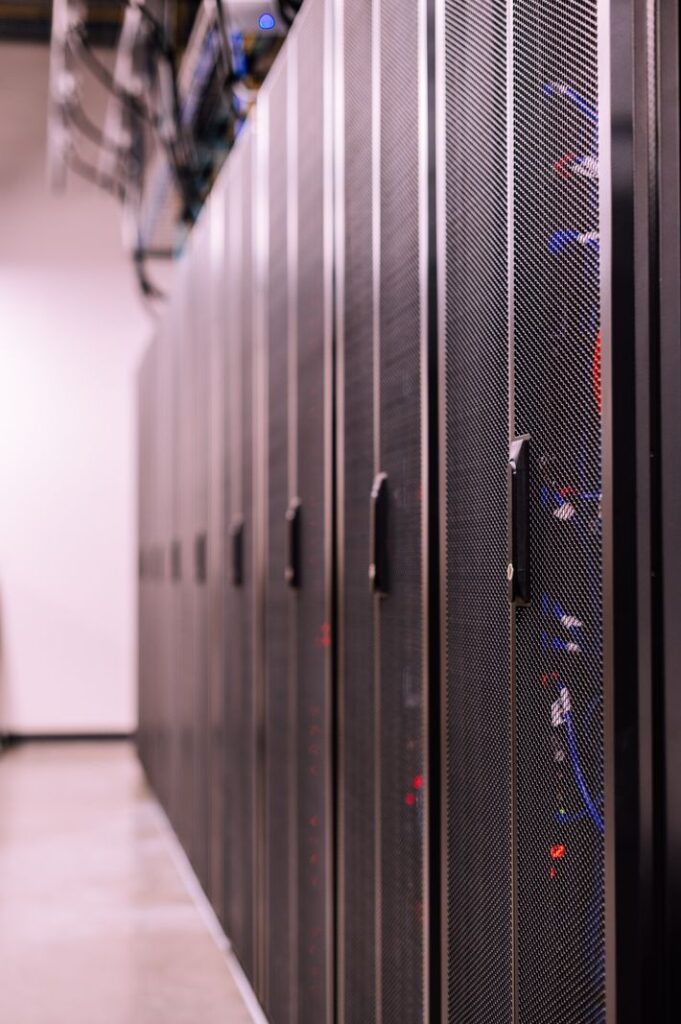
Mission critical work shows up anywhere downtime carries an expense rather than an inconvenience. We’ve built backup power and redundancy systems for:
The goal on every mission critical project is the same: no unexpected downtime. That starts with planning, not construction. Before we touch anything, we sit down with the building engineers and property managers, plus anyone else with a say in how the system runs. Everyone walks through what’s going to happen and when, so nothing is ambiguous once work starts. We follow that same process step by step as the project moves forward. In facilities where mistakes are expensive, slowing down at the planning stage is what prevents them.
We install backup generators and the UPS infrastructure that supports them. We don’t provide ongoing generator maintenance or testing once the work is done. A backup system that isn’t tested regularly won’t necessarily work when you need it most. We’ll connect you with a company that performs that testing, the same way you’d bring in a specialist to service HVAC equipment long after installation.
Mission critical construction across:
If your city isn’t listed here, reach out to us. We generally work within about a 90-minute drive of Charlotte. We’re happy to discuss whether your project is a good fit.
See how we work with your role: Who We Serve
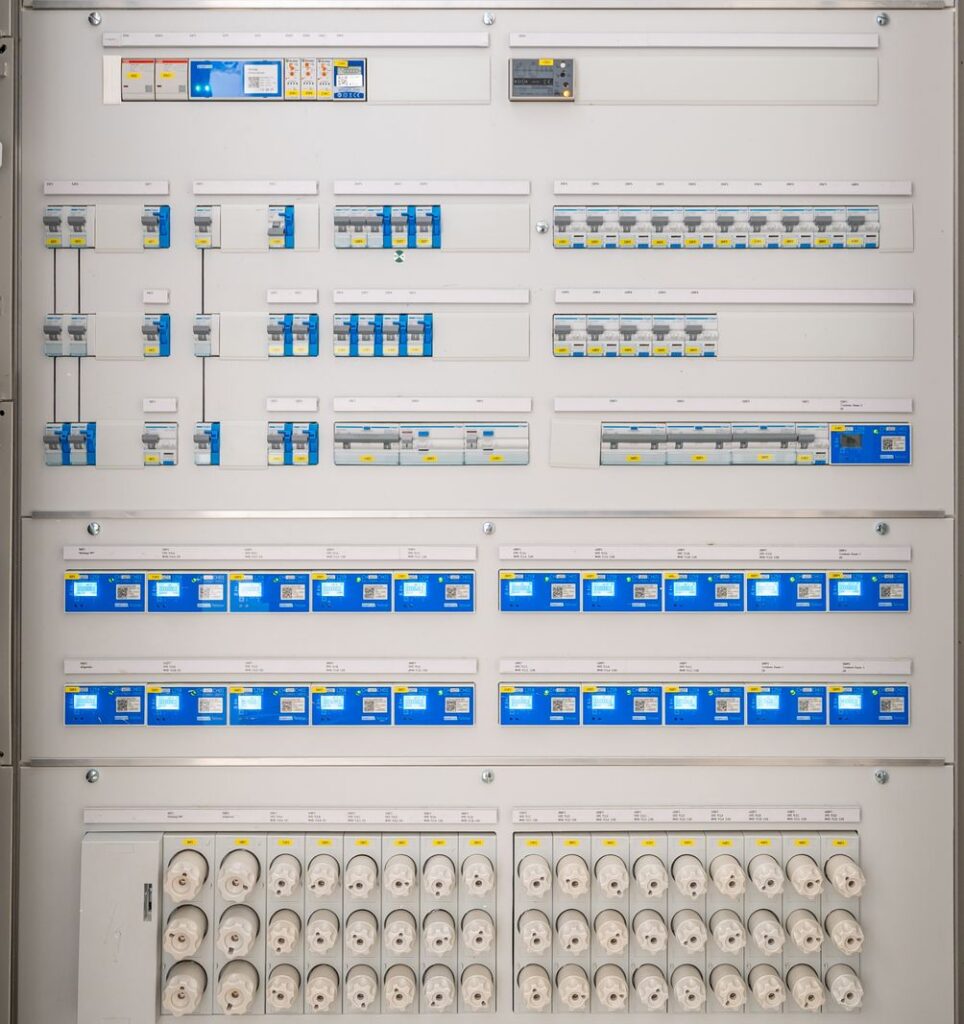
N+1 adds one spare component beyond what the system needs, so a single backup unit covers a failure. 2N duplicates the entire system end to end, with no single point of failure anywhere in it. N+1 costs less; 2N costs more but removes more risk.
No. We build the backup power and redundancy infrastructure inside other kinds of facilities, including server rooms. A ground-up data center is a different scope of project.
Usually your engineer, along with your own operational requirements. Some industries or tenants have standards that settle it before we’re involved. If you’re deciding for the first time, we can walk through the cost and risk tradeoffs.
No. We install the systems, but ongoing maintenance and testing is a separate service. We’ll connect you with a company that performs that work, so the system is ready when you need it.
Tell us what’s critical about your building, whether that’s a single server room or full-building backup. We’ll walk through what the system needs to do and which redundancy strategy fits. Then, map out how we’d plan the work around a building that has to keep running.